Plan Your Next roofing services With Confidence
페이지 정보

본문
A strong roof should feel solid, simple, and safe. When you line up a project, you want fewer surprises and more proof that the work will last. That’s why this guide leans into quality and risk control, from first walk‑through to final inspection. We zero in on the steps that prevent leaks, delays, and budget creep. You’ll find simple steps to match scope with reality, choose dependable materials, and keep crews on a rhythm. Look for direct points, clear checklists, and real‑world examples from homes and small shops. We also flag how trusted roofers keep your schedule tight and your warranty intact. Tighter controls stop rework, and that means better value over the life of the system. Apply these points to steer the job and hand off a roof that performs through heat, wind, and rain.
Map scope early and set aligned goals for success
Define what’s in and out of scope before a ladder goes up. roofing services
List roof sections, vents, and flashing zones by name, then match each to a method and warranty. Identify drop zones and note weight limits for trusses. Write down demo steps and disposal routes. Send this plan to every stakeholder. A tight scope stops drift.
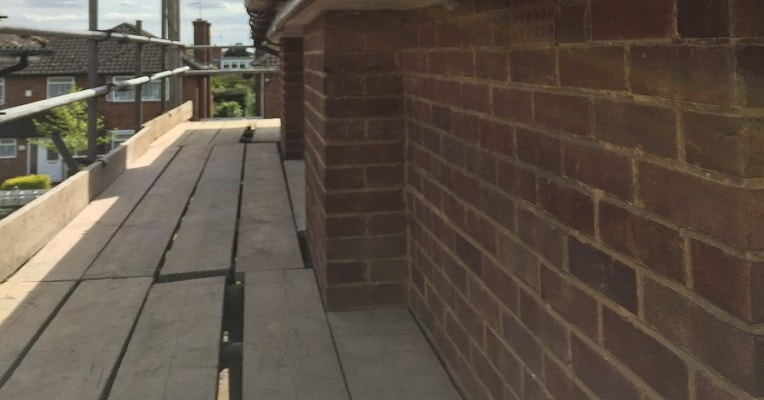
Walk the property with a moisture meter and a chalk marker. Flag spongy areas, loose edge metal, and ceiling spots under suspect planes. Build a risk roster with items labeled by severity and likelihood. Define done‑means‑done early. That avoids scope fights. Clear rules make bids apples‑to‑apples.
Choose proven materials and smart components for climate
Match the roof system to the weather you actually get, not the weather you wish for. roofing services
In hot zones, consider reflective granules, high‑temp underlayment, and ridge vents with measured airflow. Snow belts demand ice shields and closed‑cut valleys that shrug off freeze‑thaw. Storm paths need tighter nailing patterns. Smart picks cut failure risk.
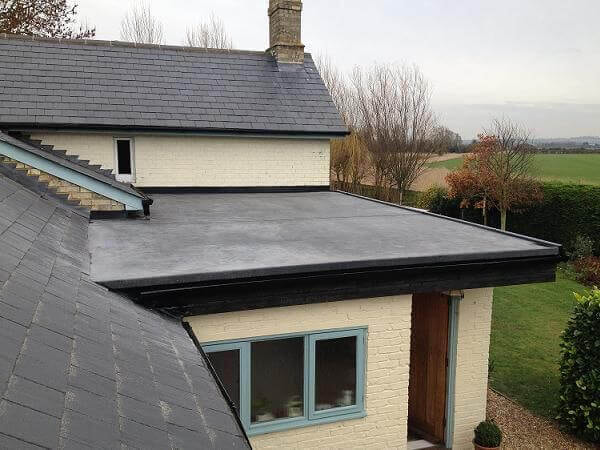
Use manufacturer spec sheets like a recipe card. Check nail size against deck thickness, and verify shingle lot numbers match the submittals. For flat roofs, compare EPDM thickness, seam methods, and weld quality targets. Match adhesives to substrates per the data sheet. Missing one step can sink a warranty. Small choices add up to strength.
Coordinate crews, phase work, and protect the schedule
Lay out a daily rhythm that keeps people safe and tasks flowing. roofing services
Stage dumpsters, deliveries, and lifts in clear lanes before crew call. Load bundles near peaks to reduce climbs and fatigue. Define rain rules with go/no‑go times. Use a close‑down list for tie‑ins and temporary seals. Clean habits speed mornings.
Break the job into small, testable chunks. Start with a pilot slope to verify drainage and tie‑ins, then roll that pattern across the roof. Use two‑hour check points for fastener counts and weld temps. Write numbers on a board the whole team sees. This keeps rework low. If delays hit, swap tasks to recover.
Build checkpoints and manage exposure at every step
Quality starts before installation and keeps going after cleanup. roofing services
Run a pre‑start with tool checks, set nailers, and fresh bits. Take trial pieces early and compare to the spec with photos. Track humidity and deck moisture before membranes or ice shield go down. Document with timestamps. Records protect your budget.
Treat common failures like items on a radar. Inspect step flashing at every course, reglet heights at walls, and valley metal for slope and overlap. Probe seams gently and reheat as needed, then retest in ten minutes. Flag penetrations for boots matched to diameter. Seal openings before dusk. Consistent checks catch leaks on paper, not in the living room.
Balance cost with longevity and make smart trade‑offs
Put money where performance matters most, then trim where it doesn’t. roofing services
Spend on base sheets, flashing metals, and skilled labor, since they guard every seam. Save by simplifying shapes and avoiding unneeded penetrations. Compare lifecycle cost instead of chasing the lowest line. Planned spend avoids panic buys.
Ask for two bid paths: a "keep forever" option and a "solid five‑year" route. The first might add Class 4 shingles and heavier fasteners; the second trims extras but keeps core protection. Each requires defined coverage and service terms. Read the fine print and request a maintenance add‑on with set inspections. Spending wisely buys calm later.
Keep maintenance simple and predictable for long life
A roof lasts longer when small tasks happen on time. Roofing Services
Sweep debris after big winds, clear gutters, and snip back overhanging limbs twice a year. Photograph high‑wear spots like HVAC routes and access points. Replace missing caps before rainy weeks. Tiny fixes stop big bills.
Set a maintenance calendar the day the job closes. Use the punch list as a seed, then add quarterly checks for sealant and surface wear. Invite the installer back for the first inspection to align on warranty needs. Keep a simple log with photos from the same angles. Good logs guide fast repairs. A steady rhythm keeps the roof ready.
Conclusion
From mapping scope to picking climate‑wise components, strong control of details limits risk and builds trust. Tight sequencing keeps crews productive, while checkpoints catch problems before they soak drywall. Smart budgeting focuses money on what keeps water out, and simple maintenance stretches service life. Put these steps together, and your project runs clean, safe, and steady from first visit to final sign‑off.
- 이전글Pourquoi choisir Erotilink ? 26.06.04
- 다음글The Roofers' Guide to Long-Lasting Protective Projects 26.06.04
댓글목록
등록된 댓글이 없습니다.